

Rachel Gerhardt, RCC & CCC, BSc., BA, MHS, MACP
My approach to therapy is grounded in collaboration and trauma‑awareness. I believe therapy works best when you feel safe, respected, and truly heard — not judged or pressured to “fix” yourself.
Instead of focusing only on coping strategies, I integrate work with the body and nervous system alongside emotional and cognitive awareness. This helps stress and trauma actually process, rather than just “bottling it up” or pretending it doesn’t exist.
Hi, I’m Rachel Gerhardt.
How This Works in Therapy
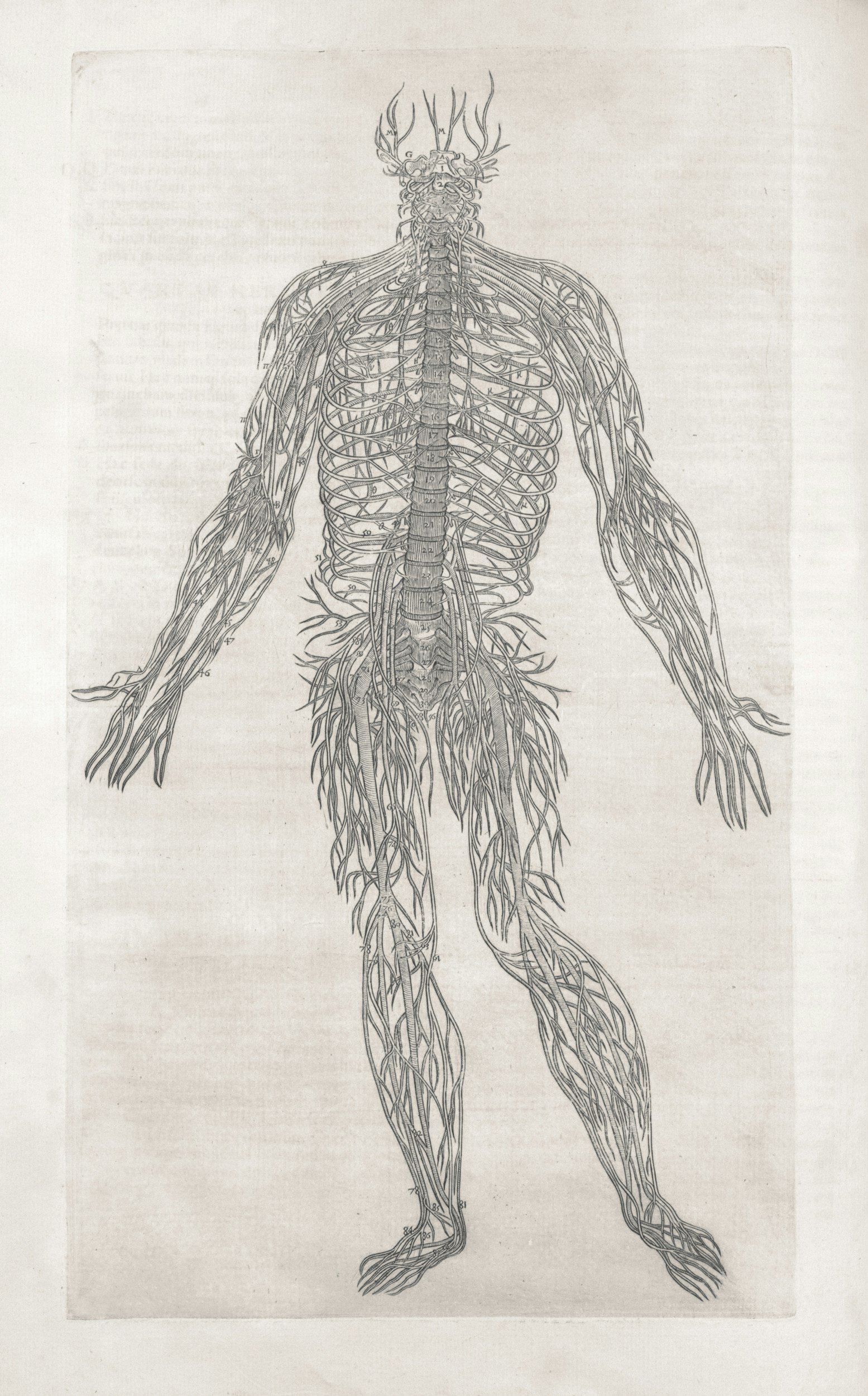
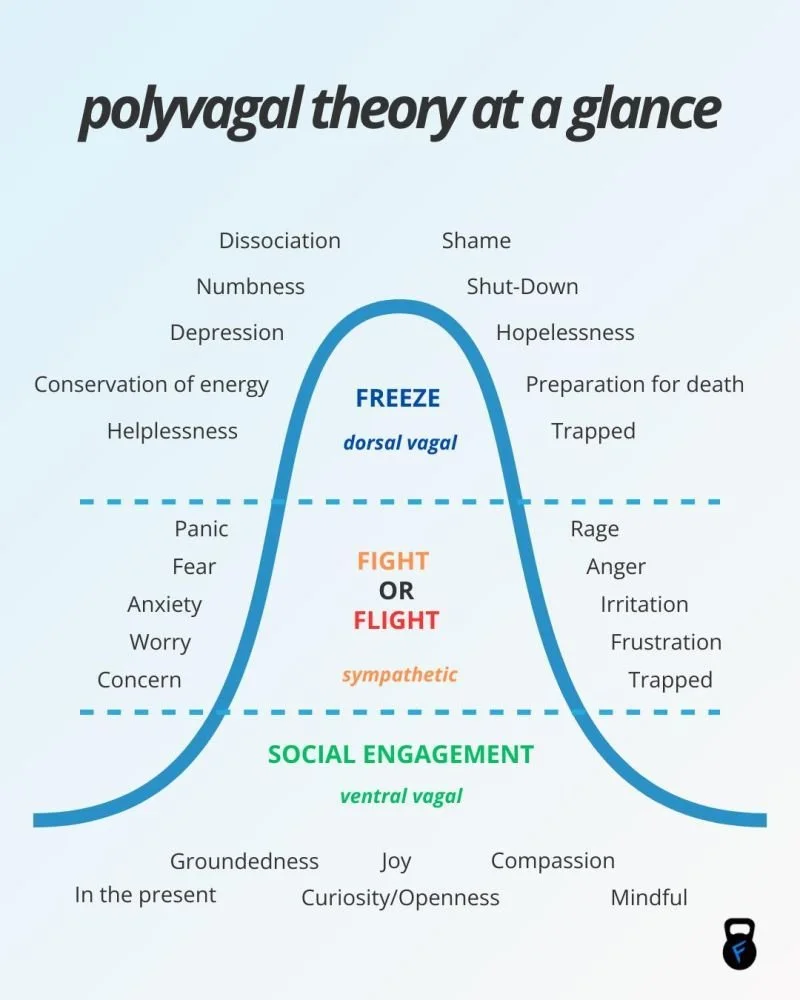
Our nervous system carries patterns shaped by life experience — especially during stress, overwhelm, or trauma. Rather than assuming change happens only through thinking, I honour that the body and nervous system constantly communicate with the brain to shape how you think, feel, and respond.
So in therapy we don’t just talk about what’s on your mind — we work gently with your felt experience, helping you build a deeper sense of safety, regulation, and connection within yourself.
I don’t take the “Expert Seat”
Traditionally, therapy was imagined as Freud sitting in the “expert” chair while a client lay on a couch waiting for advice. That isn’t how I work.
I don’t see myself as the expert of your life—because I’ve never lived a day in your shoes. You are the expert of your own experience. You come into our work with your story, your insights, your coping tools, and your lived wisdom.
What I bring is my education and training (over 13 years of university), along with a deep understanding of the nervous system, patterns of stress and trauma, and therapeutic tools that support meaningful change.
Together, we gently explore the “blueprint” of who you are—your strengths, your patterns, and the areas you’d like to focus on. From there, I tailor my approach to meet your unique needs. This work is a collaboration.
Real change happens not because of one of us, but because of both of us, working together.
What Clients’ Often Notice
Short-term Impact
Feeling seen and validated
Feeling safer and more regulated
Less overwhelm and overstimulated in stressful moments
During Therapy Impact
A growing sense of connection to your body
Increased self‑awareness
Increased confidence in feeling your feelings and processing them
Long-Term Impact
Diminished “symptoms” of stress and greater sense of calm
Greater self‑trust, resilience, and confidence
The ability to respond to life with more ease and compassion — even after therapy ends
Things Clients Have Accomplished With the Support of Therapy
They set boundaries without feeling guilt or anxiety.
They engaged in difficult conversations at home with confidence and clarity.
They regained a sense of control and excitement about the workweek, instead of dreading it.
They learned to stay present during conflict rather than shutting down.
They are more present with their family in daily life and feel able to slow down and savor moments.
They notice and appreciate the small moments of good in their lives.
They reconnected with hobbies and passions they had set aside during life’s chaos.
Rather than just managing symptoms, therapy supports deeper healing— allowing you to respond to life with more ease, self-trust, and compassion long after sessions have ended.
Therapeutic Modalities I Use

Below are the treatment approaches I integrate into sessions, depending on your needs and goals:
Cognitive Behavioural Therapy (CBT) — focuses on identifying and changing unhelpful thought patterns and behaviours.
Culturally Sensitive Therapy — tailoring therapy in a way that is respectful of diverse cultural backgrounds.
Emotionally Focused Therapy (EFT) — centers on emotions in order to create secure and supportive bonds (often used in couples work).
Gestalt Therapy — emphasizes awareness of the present moment, feelings, and experiences.
Gottman Level 1 & 2 / Gottman Method — structured approaches to couples therapy based on research about relationship functioning.
Humanistic Therapy — focuses on personal growth and self‑understanding.
Mindfulness‑Based Cognitive Therapy (MBCT) — combines mindfulness practices with cognitive approaches.
OEI Level I & II (Trauma‑Based Intervention) — trauma‑focused intervention training that uses mind and body connection to process trauma, similar to EMDR (Eye Movement Desensitization and Reprocessing).
Person‑Centered Therapy — client‑led approach that emphasizes empathy and unconditional positive regard.
Solution‑Focused Brief Therapy (SFBT) — short‑term, goal‑oriented therapy focusing on solutions.
Somatic Therapy — focuses on the connection between body sensations and emotions.
Strength‑Based Therapy — emphasizes clients’ strengths and resources.
Trauma‑Focused Therapy — approaches specifically aimed at addressing trauma.
If you’re wondering what “modalities” means: it’s the term for the different methods and frameworks I blend to best support your needs.
Starting therapy can feel a little intimidating — that’s normal. Here’s what to expect:
Share Your Story: You decide what to share and at your own pace.
Clarify Goals: We’ll talk about what you hope to get out of therapy.
Identify Strengths: We’ll highlight the skills and resources you already have.
Learn My Approach: I’ll explain how we’ll work together and answer your questions.
Set the Stage: We’ll cover logistics like session structure, scheduling, and confidentiality.
By the end of your first session, you’ll have a sense of clarity, safety, and a plan moving forward.
Your First Session
Let’s Talk More
Have questions about my approach or want to learn more about tools that could help you?
Book a consultation anytime — I’d be glad to explore this with you.